

The importance of connection, lifelong learning, and finding a place where we truly belong.
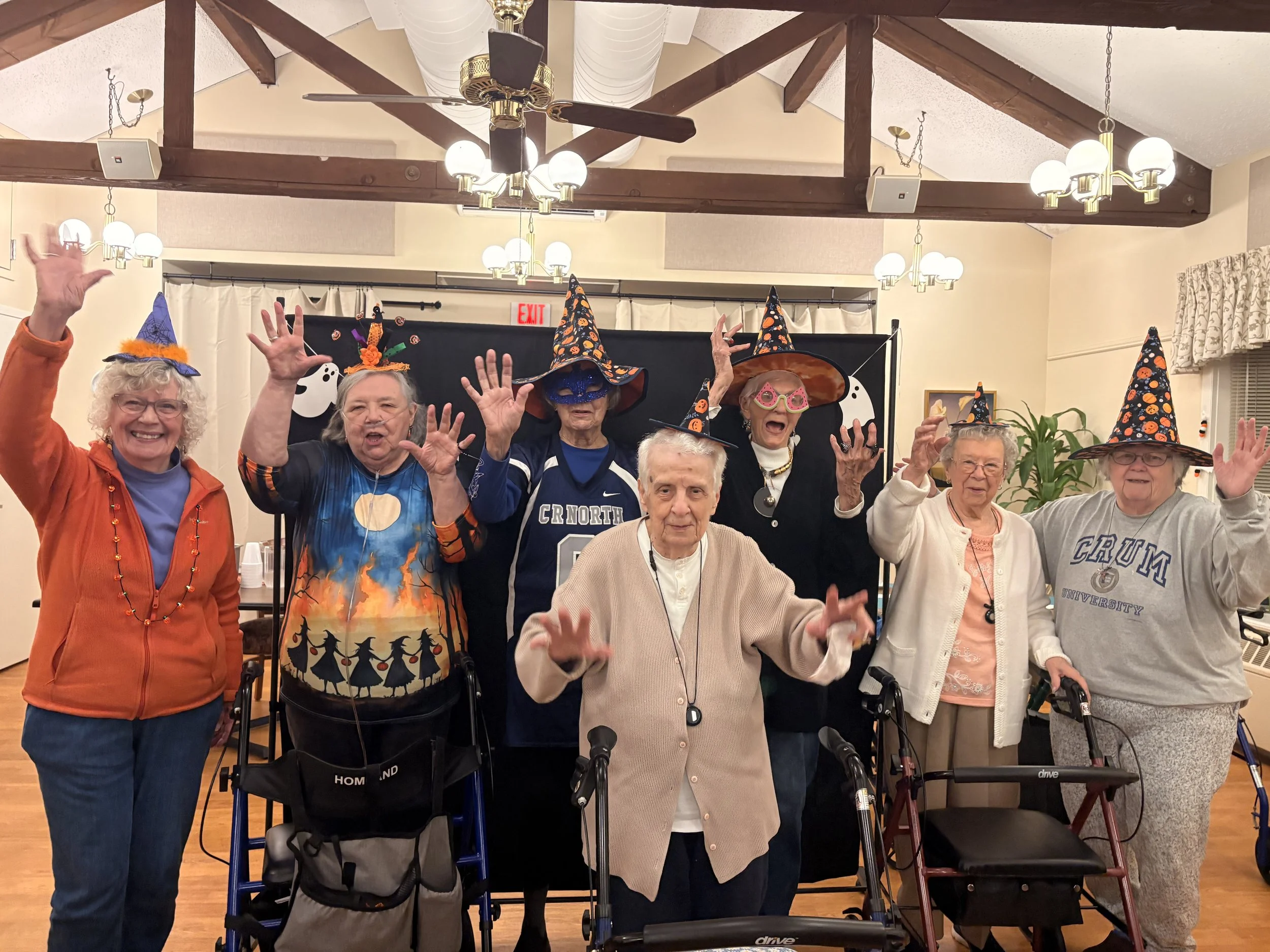
Residents partaking in Halloween festivities
There is something comforting about being part of a community. It might be a familiar face greeting you in the morning, a neighbor who notices when you haven't been around, or a conversation over coffee that turns into an unexpected friendship.
These moments may seem small, but they are often the very things that make life meaningful.
As we grow older, our social circles naturally change. Retirement, relocation, the loss of loved ones, and changes in health or mobility can affect how often we connect with others. And while technology has made it easier than ever to communicate, having hundreds of online connections doesn't necessarily replace the joy of sitting across from someone who remembers your name.
Being part of a community isn't simply about having people around us. It's about belonging, contributing, learning, and knowing that our presence matters.
And increasingly, research suggests that these connections play an important role in healthy aging.
The Power of Social Engagement
Human beings are social by nature. We thrive on relationships, shared experiences, and opportunities to connect with others.
For older adults, social engagement can take many forms, from participating in a book club or attending a lecture to volunteering, sharing a meal, or simply enjoying a conversation with a neighbor.
A 2024 systematic review published in Ageing & Society examined 42 studies exploring social engagement and well-being among older adults. Researchers found that greater participation in social activities was generally associated with improved well-being, reinforcing the importance of meaningful relationships throughout later life.
The key word here is meaningful.
Not everyone enjoys a packed social calendar. Some people love lively gatherings, while others prefer a quiet conversation or an afternoon spent working alongside friends on a shared project.
A healthy community makes room for both.
Understanding Social Isolation in Older Adults
One of the greatest challenges facing an aging population is social isolation in older adults.
Social isolation refers to having limited social contact or relationships, while loneliness is the distressing feeling that our connections aren't meeting our emotional needs. A person can live alone and feel wonderfully connected, just as someone surrounded by people can still experience loneliness.
Changes in transportation, mobility, family circumstances, or social networks can make maintaining relationships more difficult.
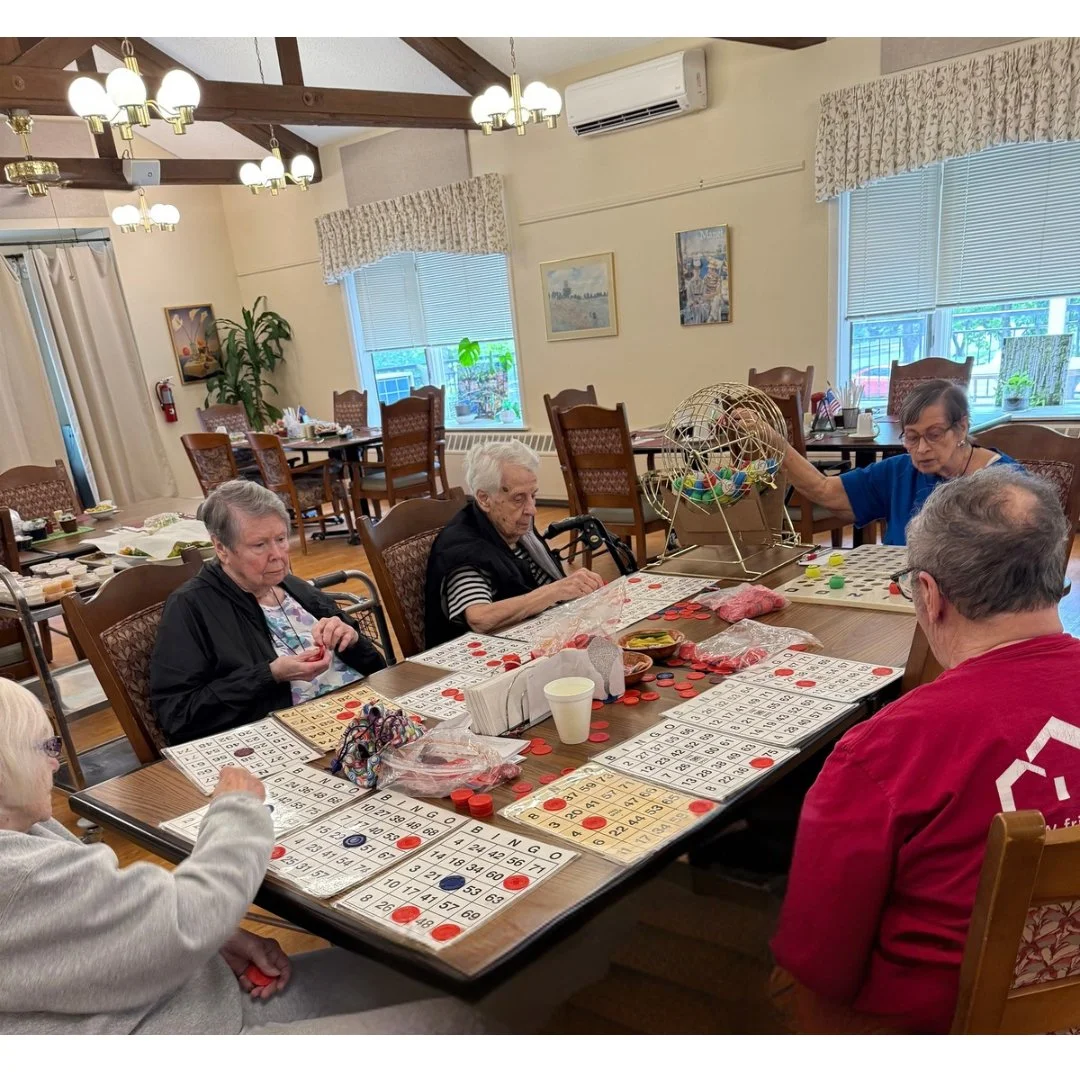
Friends Village bingo session
A 2024 systematic review and meta-analysis published in the Journal of General Internal Medicine examined interventions designed to reduce loneliness among community-living older adults. The research highlights the importance of addressing loneliness through intentional approaches rather than assuming that simply being around other people will solve the problem.
This is where community becomes especially valuable.
Having accessible opportunities to meet others, discover common interests, and build friendships can make connecting feel less like an obligation and more like a natural part of everyday life.
Sometimes, a simple invitation is all it takes to begin a new friendship.
What Is Lifelong Learning, and Why Does It Matter?
If you've ever thought you were too old to learn something new, here's a little encouragement: curiosity doesn't have an expiration date.
So, what is lifelong learning?
Lifelong learning is the ongoing pursuit of knowledge, skills, interests, and experiences throughout our lives. It isn't limited to classrooms, degrees, or formal education. It can mean learning to use new technology, exploring local history, trying watercolor painting, practicing yoga, or discovering a talent you never knew you had.
And learning is often even more enjoyable when we do it together.
A 2023 study published in The Journals of Gerontology: Series B found a reciprocal relationship between lifelong learning and volunteering among older adults. Participating in non-work-related learning was associated with later volunteering, while volunteering also predicted further learning.
Similarly, a 2024 study published in PLOS ONE found that participation in learning activities, including music, exercise, and other group classes, was positively associated with several measures of subjective well-being among older adults. The study did not establish cause and effect, but its findings support the value of continued learning.
The takeaway? Learning isn't only about acquiring knowledge. It's about staying curious, building confidence, connecting with others, and discovering that there is always something new to explore.
Finding Joy in Social Activities for Older Adults
One of the wonderful things about growing older is having more freedom to decide how we want to spend our time.
For some, that means rediscovering old hobbies. For others, it means exploring entirely new interests.
The most rewarding social activities for older adults often combine enjoyment with opportunities for friendship, movement, creativity, or personal growth.
Consider the possibilities:
Creative expression: Art classes, writing groups, music, theater, and crafts encourage imagination and shared experiences.
Physical wellness: Walking groups, yoga, tai chi, and dance offer opportunities to stay active while connecting with others.
Intellectual discovery: Lectures, discussion groups, technology workshops, and history programs keep curiosity alive.
Shared interests: Gardening, book clubs, games, and community meals bring people together naturally.
Giving back: Volunteering, mentoring, and supporting local organizations create opportunities to make a difference.
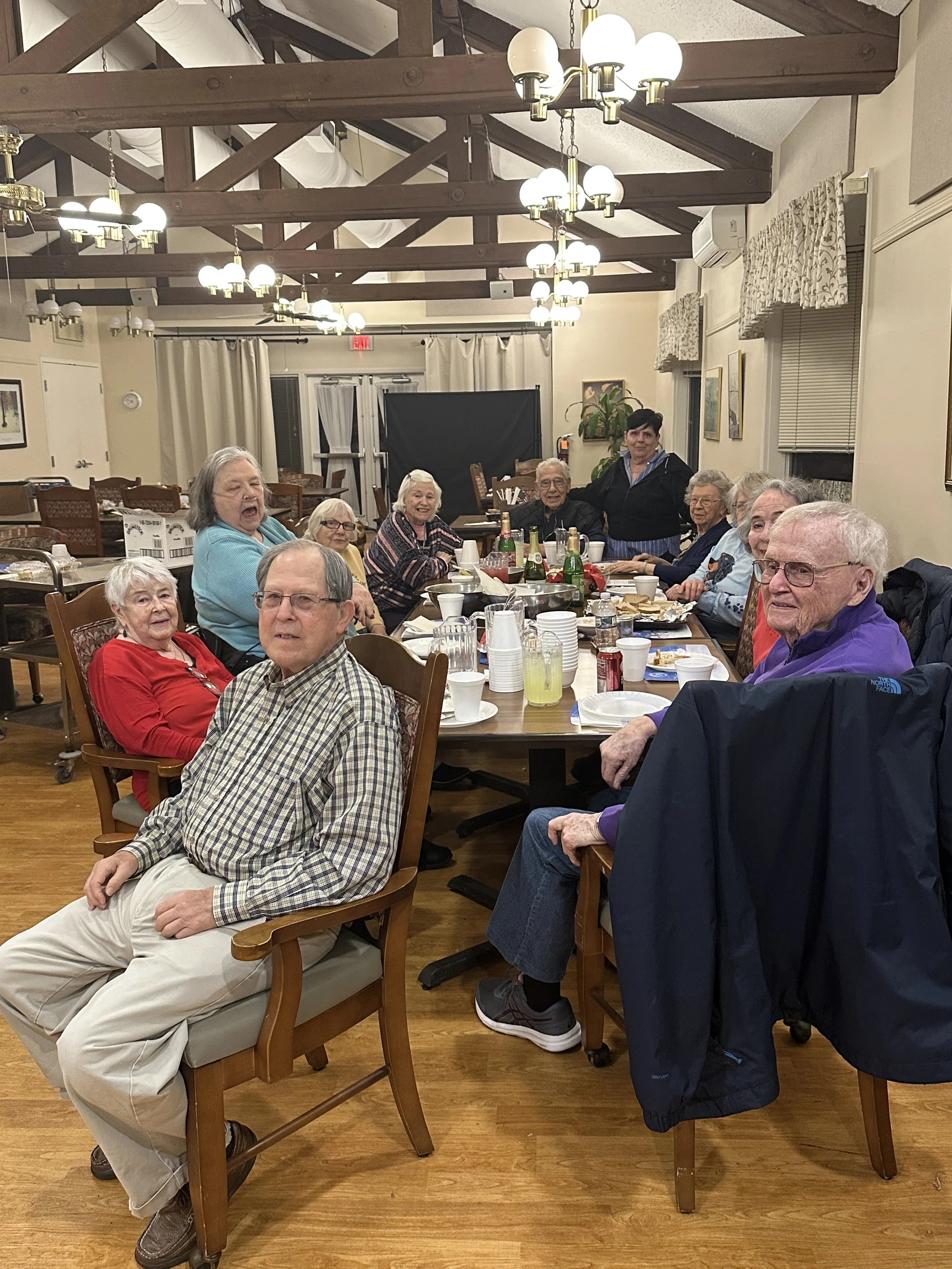
Friends Village dinner party
A 2024 study published in Aging & Mental Health found that greater social participation among older adults was associated with higher life satisfaction and fewer depressive symptoms. The researchers also explored how a sense of purpose helps explain the relationship between participation and mental well-being.
Ultimately, the goal isn't to fill every hour of the day. It's to fill our days with experiences that bring enjoyment, connection, and purpose.
Community Involvement: Having a Place and a Purpose
There's an important difference between living in a community and feeling that you are truly part of one.
Meaningful community involvement goes beyond attending events. It means having opportunities to contribute ideas, share experiences, help others, and participate in decisions that shape the world around us.
Older adults bring a lifetime of knowledge, talents, and perspectives to their communities. Those contributions don't become less valuable with age. In many ways, they become even more meaningful.
Whether someone is mentoring a younger generation, organizing a gathering, participating in a discussion, or welcoming a new neighbor, their involvement helps strengthen the connections that make a community thrive.
Participation in community life also creates opportunities for reciprocity. We aren't simply receiving support from others; we are offering something of ourselves.
And that sense of being needed can be every bit as important as feeling supported.
Making Community Engagement Activities Accessible to Everyone
A thriving community isn't measured by how many activities appear on a calendar. It's measured by whether people feel welcomed, included, and encouraged to participate.
Effective community engagement activities recognize that people have different interests, abilities, personalities, and comfort levels.
Some residents may enjoy leading a discussion or organizing an event. Others might prefer participating quietly, volunteering behind the scenes, or joining a small gathering.
The important thing is choice.
Communities that offer a variety of activities, accessible spaces, opportunities for resident input, and connections with surrounding neighborhoods can help make participation more inviting.
And sometimes the most meaningful community engagement doesn't happen during a scheduled program at all.
It happens when someone saves you a seat, remembers your favorite story, or notices you've been missed.
Maintenance-Free Living for Seniors: More Time for What Matters
There's another consideration when thinking about the importance of community: time.
For many older adults, maintaining a home can become increasingly demanding. Yardwork, repairs, cleaning, and the never-ending list of household responsibilities can consume time and energy that might otherwise be spent enjoying life.
This is one reason maintenance free living for seniors can be appealing.
Independent living communities often provide services that reduce the burden of home maintenance, creating more opportunities for residents to pursue their interests and enjoy the people around them.
Imagine spending an afternoon attending a lecture instead of worrying about home repairs, joining friends for a walk rather than tackling yardwork, or discovering a new hobby simply because you finally have the time.
Of course, maintenance-free living isn't the right choice for everyone, and moving to a retirement community doesn't automatically create meaningful relationships.
But for individuals seeking both convenience and opportunities for connection, a welcoming senior living community can offer an environment where friendships, learning, and participation become part of everyday life.
Growing Together at Friends Village
At Friends Village, we believe community is about more than sharing an address. It's about creating opportunities to connect, discover, contribute, and live with purpose.
Rooted in Quaker values, Friends Village embraces the importance of kindness, respect, lifelong learning, and meaningful relationships.
Through educational presentations, wellness programs, creative workshops, community conversations, and partnerships with local organizations, residents have opportunities to explore their interests while remaining connected to the broader community.
But just as important are the moments that can't be scheduled: the friendships that develop over time, the neighbor who lends a helping hand, and the everyday conversations that remind us we belong.
Because a vibrant community isn't simply a place where people live. It's a place where people continue to grow.
Connection Has No Age Limit
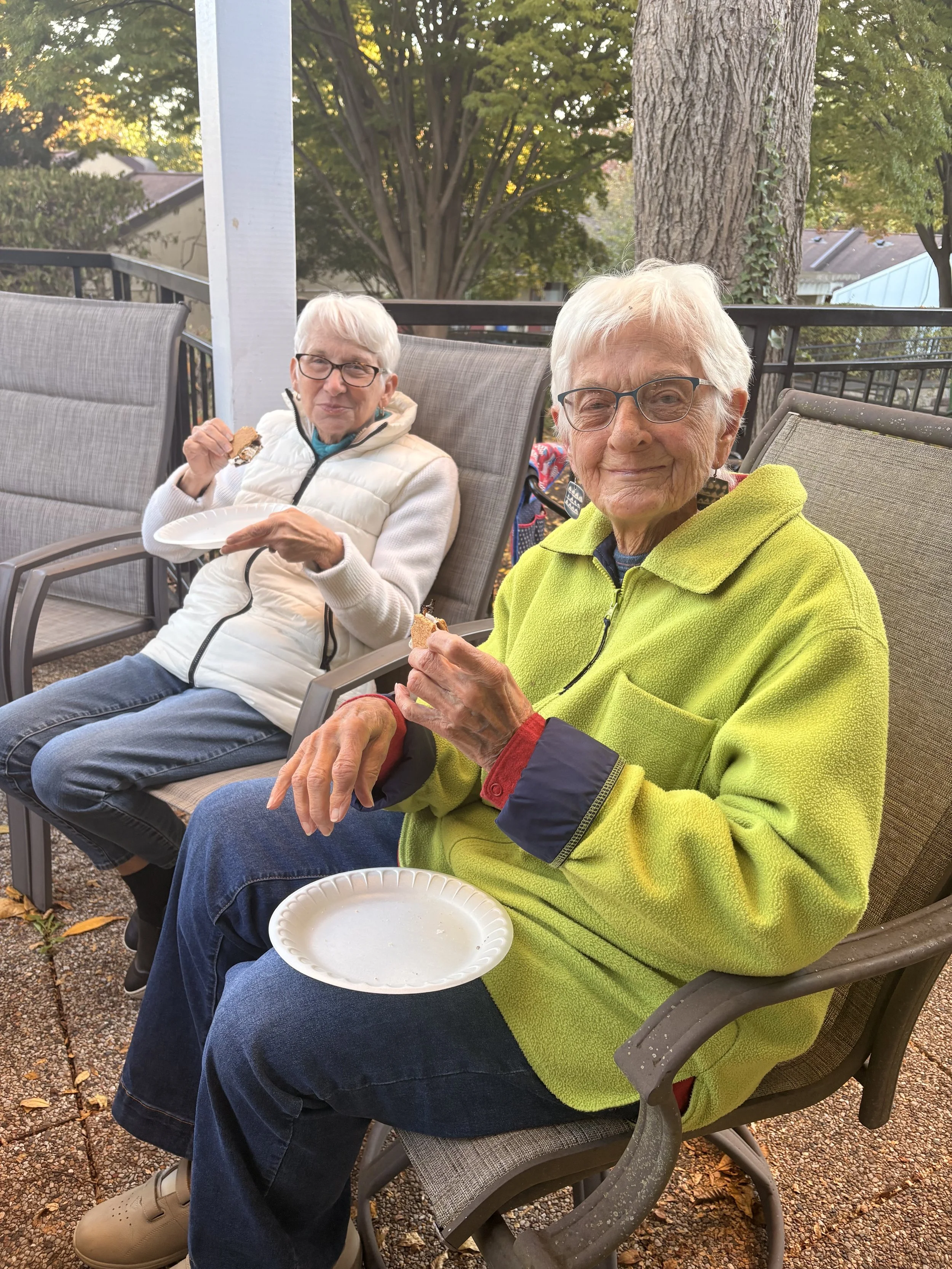
S’mores during the Fall
Growing older doesn't mean growing less curious, less adventurous, or less interested in the world around us.
In fact, later life can offer extraordinary opportunities to rediscover interests, develop friendships, share wisdom, and explore new possibilities.
And while independence will always be important, independence and connection are not opposites. We can value our privacy, make our own choices, and still appreciate being part of something larger than ourselves.
Perhaps that's what makes community so important.
It's knowing there's someone to share a laugh with, someone to learn from, someone who appreciates what we have to offer, and someone who notices when we're not there.
Because at every age, life is richer when we have a place to belong, a reason to participate, and people to share the journey with.
To learn more about life at Friends Village and our commitment to purposeful living, visit https://www.friends-village.org/our-mission.
References
Monteiro, J. M., Gonçalves, R., Bastos, A., & Barbosa, M. R. (2024). Social engagement and wellbeing in late life: A systematic review. Ageing & Society.
Shekelle, P. G., et al. (2024). Interventions to reduce loneliness in community-living older adults: A systematic review and meta-analysis. Journal of General Internal Medicine, 39, 1015–1028.
Sung, P., Chia, A., Chan, A., & Malhotra, R. (2023). Reciprocal relationship between lifelong learning and volunteering among older adults. The Journals of Gerontology: Series B, 78(5), 902–912.
Fang, Z., & Sim, N. (2024). Does lifelong learning matter for the subjective wellbeing of the elderly? A machine learning analysis on Singapore data.
Pynnönen, K., Kokko, K., & Rantanen, T. (2024). Social participation and mental well-being: Does purpose in life mediate the association among older adults? Aging & Mental Health, 28(12), 1815–1822.