

Why the best time to embrace a new chapter may be sooner than you think.

Gazebo at Paxson Campus
There comes a time when many older adults begin asking themselves a question: Is it time to consider senior living?
Perhaps the house feels a little too big, the yard requires more attention than you'd like to give it, or the stairs seem to have multiplied overnight. Maybe you're perfectly healthy, active, and independent, but you're beginning to wonder whether there's a different way to enjoy the years ahead.
For some, the idea of moving brings excitement and possibility. For others, it comes with uncertainty, nostalgia, and the understandable reluctance to leave a home filled with memories.
But here's something worth considering: Moving to senior living doesn't have to mean giving something up. It can mean making room for something new.
And sometimes, the best time to make that decision is before you absolutely need to.
Is There a Best Age to Move Into Independent Living?
One of the most common questions people ask is, "What is the best age to move into independent living?"
The answer might surprise you. There isn't one.
Although many retirement communities welcome adults beginning around age 55, 62, or 65, depending on the community, your chronological age doesn't necessarily determine when it's time for a change.
Someone in their late 60s might be ready to trade home maintenance for travel, friendships, and new experiences. Another person in their 80s may be happily maintaining their home and enjoying their current lifestyle.
Research supports looking beyond age alone. A 2024 systematic review published in the International Journal of Older People Nursing found that the ability to live independently depends on a combination of physical, emotional, environmental, lifestyle, and financial factors. Importantly, those factors are different for every individual.
Rather than focusing on a particular senior living age, perhaps the better question is:
Does my current living situation support the life I want to live today and in the years ahead?
When to Move to Senior Living: Five Signs It May Be Time
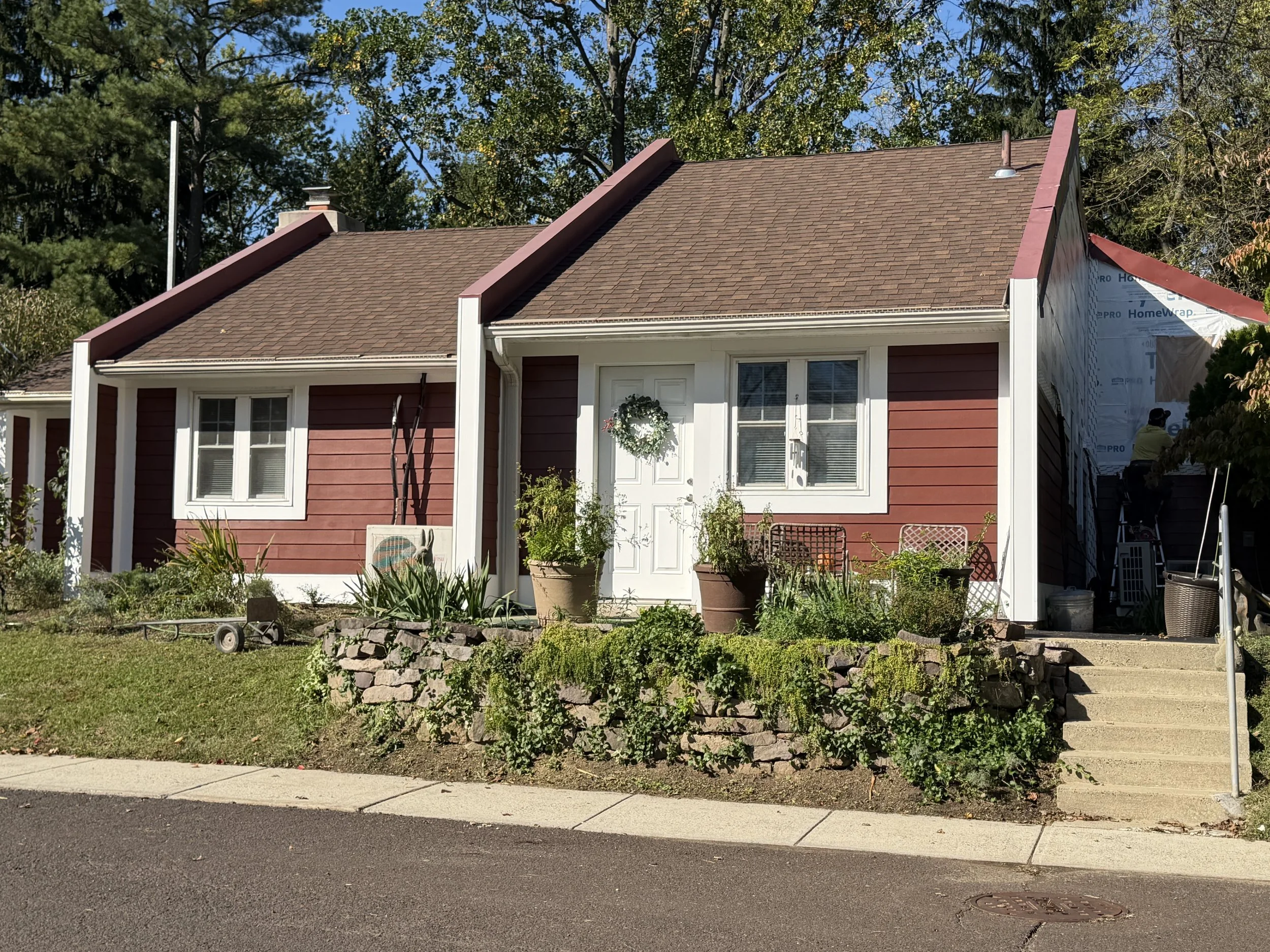
Independent living cottage at Styer Campus
There may not be a magic birthday that signals when to move to senior living, but there are some practical and emotional signs worth considering.
1. Your home is becoming more work than enjoyment.
Remember when weekends meant relaxing? If Saturdays now involve cleaning gutters, scheduling repairs, mowing the lawn, or wondering what that mysterious noise in the basement might be, a change could be appealing.
Maintenance free living for seniors offers an opportunity to spend less time managing a property and more time enjoying life. Depending on the community, services may include landscaping, exterior maintenance, repairs, and other conveniences.
2. You're looking for more opportunities to connect.
As we grow older, social circles naturally change. Friends relocate, family members become busy, and familiar routines shift.
A 2024 systematic review in Health & Social Care in the Community highlighted the importance of meaningful activities, accessible gathering places, and regular opportunities for social participation among older adults.
Living in a community where conversations, activities, and friendships are close by can make staying socially engaged easier.
Of course, moving doesn't automatically create friendships. But having opportunities right outside your door is a wonderful place to start.
3. You want to simplify while you're still able to make the decisions.
Downsizing for seniors is about much more than reducing square footage.
It's an opportunity to decide what matters most, preserve treasured memories, and create a home that fits your current lifestyle.
And yes, it may involve finally discovering what's been hiding in those boxes in the attic since 1987.
A 2023 study examining older adults' experiences transitioning into assisted living identified downsizing possessions and adjusting to changes in independence as important emotional challenges. Although assisted living differs from independent living, the findings remind us that moving deserves thoughtful preparation and sensitivity.
Taking your time allows you to make decisions with intention rather than urgency.
4. You're thinking about your future needs.
Even when life is going wonderfully, it's reasonable to consider what the next five or ten years might look like.
Will your home remain comfortable and accessible? Are essential services nearby? Would you prefer a smaller living space with fewer responsibilities?
A 2024 systematic review in Age and Ageing found that people's ability to remain in their homes is influenced by social resources, access to support, and broader inequalities.
Planning ahead isn't pessimistic. It's practical.
5. You want more freedom to do the things you love.
Perhaps you'd like to volunteer, take an art class, travel, explore a new hobby, or simply enjoy your morning coffee without a lengthy to-do list.
The right retirement community can offer more opportunities to pursue those interests while maintaining your independence.
After all, retirement should come with fewer obligations and more possibilities—not an endless appointment with the lawn mower.
The Transition to Independent Living in Bucks County: A New Chapter, Not an Ending
Leaving a longtime home can be emotional. Those walls hold birthday celebrations, holiday gatherings, family milestones, and countless ordinary moments that became extraordinary memories.
It's natural to feel both excitement and sadness.
The transition to independent living is not simply about changing addresses. It's about adjusting to a new environment, developing routines, and finding a sense of belonging.
A 2025 longitudinal study published in Journal of Aging and Environment examined older adults moving into a senior village. Researchers observed improvements in several areas of quality of life, increased social interactions, and reduced loneliness. However, not every measure improved, underscoring that adjustment is individual and community living is not a one-size-fits-all solution.
The important thing is finding a community that feels right for you, one that respects your individuality, encourages your interests, and offers opportunities to participate at your own pace.
Moving to a Retirement Community in Bucks County: What Should You Consider?
Before making a decision, visit several communities and spend time imagining your everyday life there.
Look beyond the floor plans and amenities. Pay attention to the atmosphere. Are residents engaged? Do people seem comfortable? Are there opportunities to develop friendships, explore interests, and maintain personal routines?
And perhaps most importantly, can you picture yourself feeling at home?
Independent living generally means having your own residence and managing your daily life without routine personal-care assistance. If you need help with bathing, dressing, medication management, or other daily activities, ask whether additional services are available and what they cost.
Your Senior Independent Living Checklist
If you're beginning to explore your options, this senior independent living checklist can help guide your conversations and community visits.

Styer Campus
Questions to ask during your visit
☐ Does the community fit my lifestyle, interests, and personality?
☐ What services and maintenance responsibilities are included?
☐ Are there opportunities for social connections, wellness, and lifelong learning?
☐ Is the residence comfortable, accessible, and suited to my future needs?
☐ Do I understand the monthly costs, fees, and contract terms?
☐ Can I maintain my independence, privacy, and personal routines?
☐ What transportation, healthcare, and additional support options are available?
☐ Can I imagine feeling at home here?
Why Wait Until You Have To?
There is a common misconception that senior living is something to consider only when maintaining a home becomes difficult or health concerns arise.
But independent living can also be a proactive lifestyle choice.
Choosing a community while you're active and independent may give you more time to explore your options, become involved, develop friendships, and settle into a new routine on your own terms.
At Friends Village, we believe growing older should be about continuing to grow, discover, connect, and live with purpose.
Whether that means exploring a new interest, joining a lively conversation, volunteering, or simply enjoying the comfort of a welcoming community, the goal isn't to change who you are. It's to create an environment where you can continue being yourself.
So, when is the right time to move to senior living?
Perhaps it's not about how old you are, but how you want to live.
And if the thought of fewer household chores, more meaningful connections, and a little extra freedom brings a smile to your face, it might be worth exploring what comes next.
Your next chapter is yours to write. Why not make it a good one?
Research References
Ylönen et al. (2024). "Older Individuals' Perspectives on the Prerequisites for Living at Home: A Mixed-Methods Systematic Review." International Journal of Older People Nursing.
Körlof et al. (2024). "Older Adults' Experiences of Using Strategies to Maintain and Foster Social Participation: A Systematic Review with Metasynthesis of Qualitative Studies." Health & Social Care in the Community.
Exploring Constraints to Well-Being for Older Adults in Transition Into an Assisted Living Home: A Qualitative Study (2023). Peer-reviewed qualitative research examining relocation and well-being.
Bolster-Foucault et al. (2024). "Social Inequity in Ageing in Place Among Older Adults in Organisation for Economic Cooperation and Development Countries: A Mixed Studies Systematic Review." Age and Ageing.
Quality of Life, Loneliness, and Social Interactions Among Older People Moving to a Senior Village: A Longitudinal Study of an Age-Friendly Community Initiative (2025). Journal of Aging and Environment.