
Rethinking Aging: Why Community Matters More Than Ever
April 2026
I recently read a New York Times article about what they called “regenerative communities,” places where people in the second half of life are choosing connection, shared living, and purpose over isolation.
It resonated with me immediately.
Not because it felt new but because it described, almost exactly, what we’ve been building at Friends Village in Bucks County, Pennsylvania.
A New Vision for Senior Living
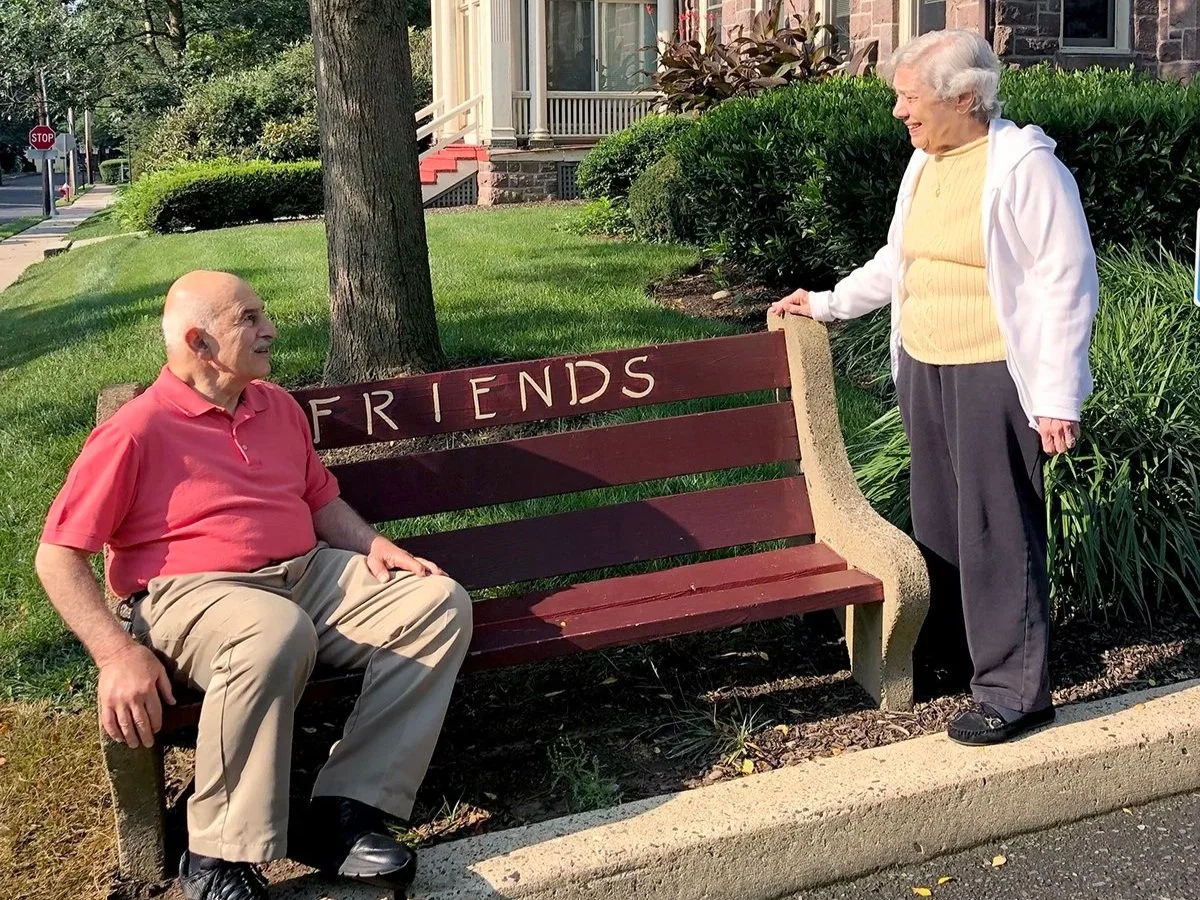
The article highlighted a growing shift: more people are reimagining what senior living can be. They’re seeking co-living for older adults, shared experiences, and environments where life feels vibrant and connected.
It challenged the traditional idea of retirement as a quiet step back.
Instead, it asked something more compelling:
What if this stage of life is about growth, connection, and contribution?
At Friends Village, that’s how we’ve always approached aging.
Community Is the Heart of a Senior Living Community
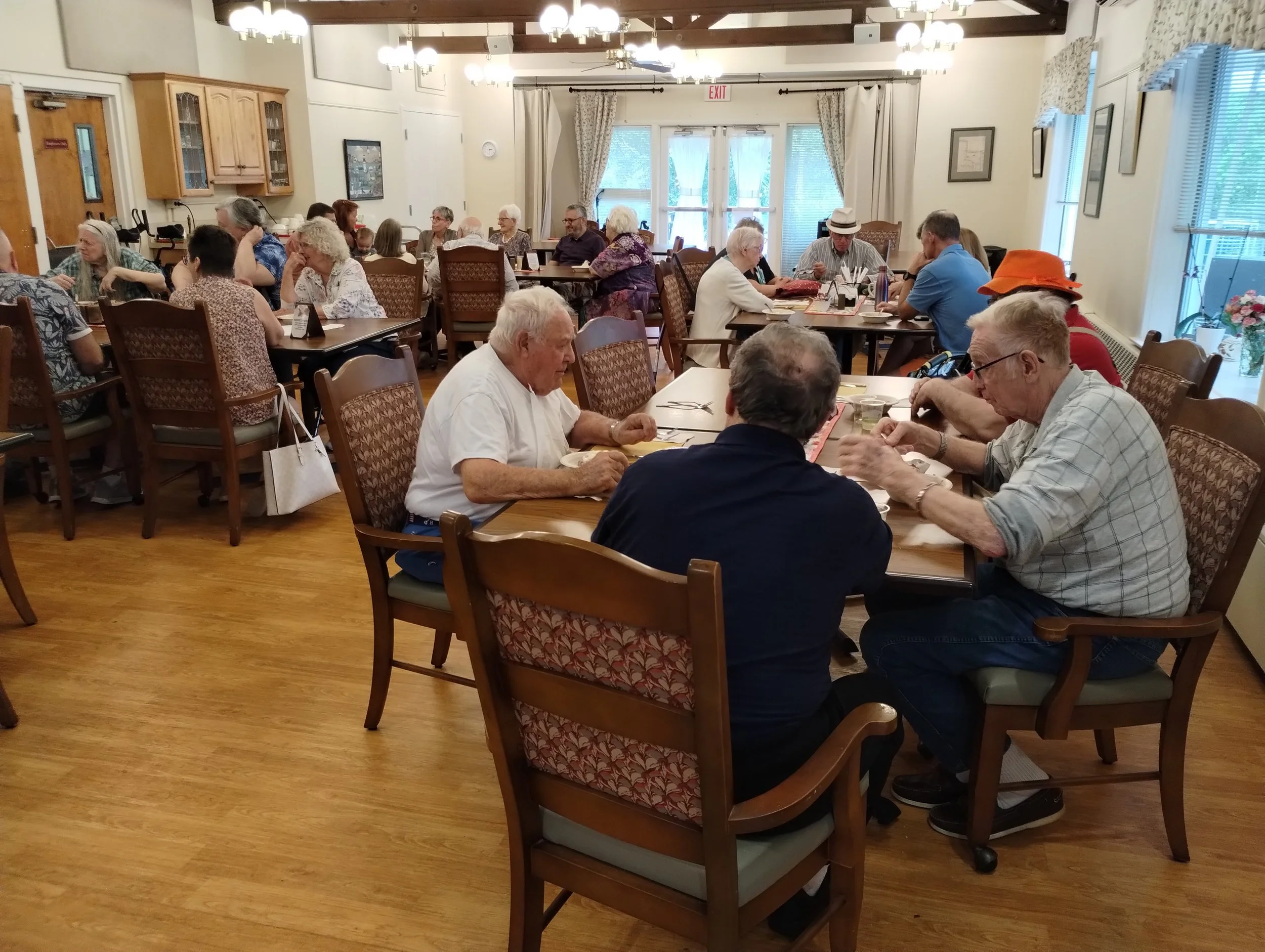
Friends Village was founded in 1897 by the Religious Society of Friends (Quakers) with a simple but powerful belief: community should be at the center of how we live.
Today, that belief defines us as a different kind of senior living community, where relationships matter as much as services.
What I read in the New York Times mirrors what I hear from residents every day. People aren’t just looking for housing; they’re looking for connection, a nurturing and engaging environment, and a true sense of belonging within a community.
That’s what transforms a place to live into a place to thrive.
Independent Living, Deeply Connected
One of the biggest misconceptions about independent senior living is that independence and community are in conflict.
I don’t see it that way.
At Friends Village, our mission is rooted in creating a community where independence and connection go hand in hand. You can have both: your own home, your own rhythm, your own choices paired with meaningful, everyday connection.
That connection might look like:
Sharing meals with neighbors
Walking through campus and running into friends
Participating in conversations, programs, or quiet moments together
These small interactions are what makes daily life richer and less isolated.
A Better Alternative to Aging at Home Alone
Many people say they want to “age at home.” But increasingly, they’re asking a deeper question: What kind of home?
There’s a phrase I often return to:
The best version of aging at home is making your home in a connected and supportive community.
For many, that means exploring aging at home alternatives, places where support, relationships, and engagement are built.
At Friends Village, we’re evolving care to reflect that reality. Through programs like NeighborCare, support is flexible, relational, and delivered by people residents already know and trust.
Because the future of care is not just about services. It is about relationships.
The Rise of the Modern Elder
The New York Times article reflects a broader cultural shift: the emergence of the modern elder as someone who continues to grow, contribute, and seek purpose in the second half of life.
At Friends Village, we see this every day.
Our residents are not defined by what they need. They are defined by what they bring: experience, resilience, and perspective.
They are, quite simply, holders of wisdom.
And when you build an intentional community that recognizes that, aging becomes something expansive, not limiting.
Why Intentional Community Matters More Than Ever
Speak clearly and slowly. Don’t shout!
Stand in good lighting and face the person so they can see your face when you speak
Do not exaggerate or distort lip movements as this might make it harder for the person to follow what is being said.
Try to keep background noise to a minimum, as loud background noise can make it difficult for someone with hearing loss to hear, even with a hearing aid
If there is a hard of hearing person in a group, ensure people talk one at a time. This enables the hard of hearing person to be included in conversations.
Not a Trend, A Proven Model of Aging in Community
What struck me most in reading the article was this: what is being described as a new movement including co-living for older adults, community-based living, purpose-driven aging, is something we’ve been nurturing for generations.
What’s changing is awareness.
More people are recognizing that aging in community offers something traditional models often lack: connection, vitality, and a true sense of belonging.
And they’re realizing that aging doesn’t have to mean doing it alone.
Redefining What It Means to Live Well
At Friends Village, we’re not just redefining senior living.
We’re creating a place where people:
Stay connected
Continue to grow
Feel known and valued
Experience a true sense of belonging
Because the future of aging is not about stepping away from life. It is about choosing how, and with whom you want to live.
If you are exploring what this kind of community can look like, we invite you to explore our campuses and learn more about daily life at Friends Village.
FAQ:
-
At Friends Village, daily life includes a variety of programs designed to support connection, wellness, and engagement. This can include activities like yoga classes, technology sessions, community gardening, discussion groups, and social events that help residents stay active and involved.
-
More older adults are choosing community living because they see it as an opportunity, not a transition. It is a chance to stay connected, remain engaged, and be part of a vibrant environment where relationships and purpose continue to grow. This shift reflects a more modern, active approach to aging, one that values community, curiosity, and meaningful experiences.