

Dehydration Prevention
June 2026
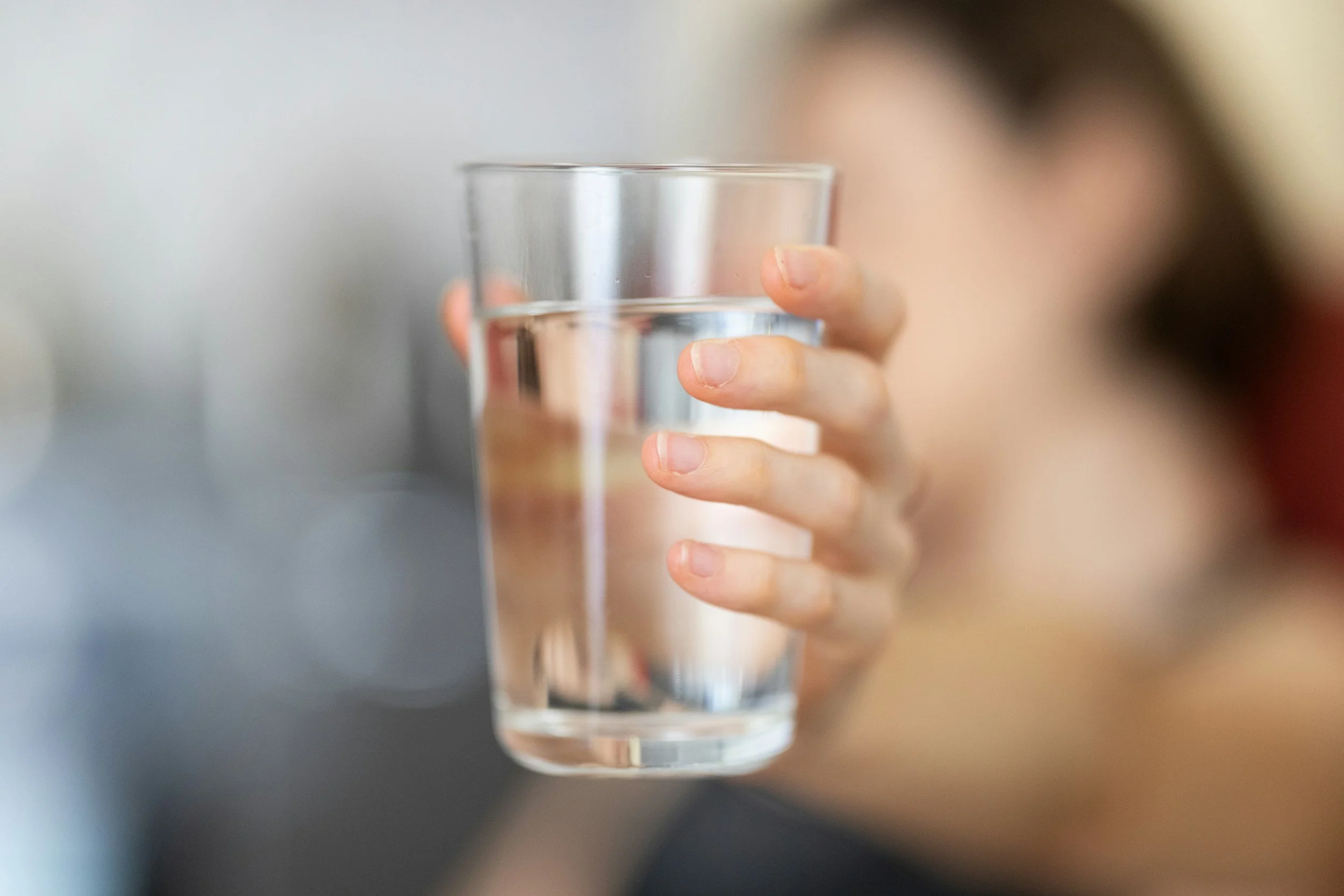
With summer here, it’s time to be even more conscientious of our water intake.
Hot or humid climates can cause water loss due to sweating; older adults are also at higher risk of dehydration for a multitude of reasons. Up to 40% of older adults may be chronically underhydrated.
Water helps regulate your temperature, gets rid of wastes and lubricates your joints. Dehydration means that the body doesn’t have enough fluid to work at its best.
Common Signs of Dehydration
Feeling unquenchable thirst
Few or no tears
Dry, sticky mouth
Not urinating frequently
Dark-colored urine
Unexplained tiredness or fatigue
Feeling dizzy or lightheaded
Confusion
Sunken eyes
Muscle cramping
Preventing Dehydration
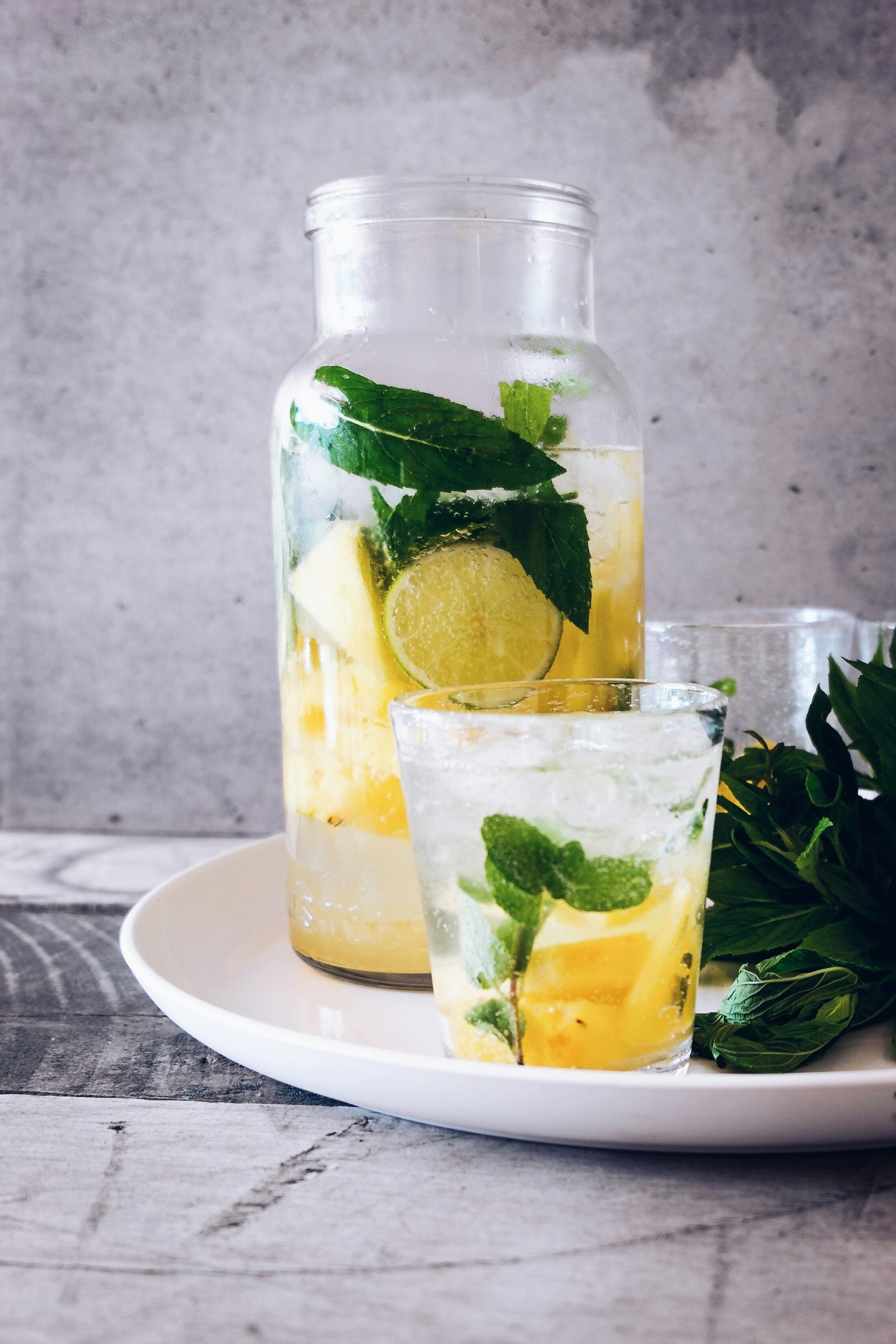
Drink Water - Drink plenty of water, juice, milk, or teas. Soda and coffee increases the effects of dehydration
Set reminders to consistently drink throughout the day
Consider Your Diet - Try incorporating more fruits and vegetables into diet (high water content).
Other foods that promote hydration include yogurt, jellies, and low-sodium soup and broth
Enhance Your Water - Bored of drinking plain water? Try infusing with fruit or herbs to make it taste better
Why Are Older Adults at Higher Risk?
Fewer “water reserves” as we age — the amount of water in our bodies decreases with age
Thirst response weakens — people tend to not feel as thirsty
Kidneys don’t work as well — you may lose more water during urination
Many older adults are on medications or have health conditions that affect the way the body processes water