

How to Age Well When You Don’t Have a Spouse, Partner, or Nearby Family Support System
For generations, many people assumed that aging would naturally include support from a spouse, adult children, or extended family. Today, that assumption is changing.
More Americans are living alone, remaining single, choosing not to have children, or finding that family members live hundreds or even thousands of miles away. According to recent research, nearly three in ten adults age 65 and older live alone, and growing numbers of older adults are navigating retirement and aging without a traditional family support network. (Census.gov)
This reality has given rise to a growing term: solo aging.
But solo aging does not mean aging alone.
In fact, many people who age independently report high levels of satisfaction, autonomy, and fulfillment. The key difference is that they plan intentionally for the future rather than relying on assumptions about who will be there when help is needed. (AARP)
At Friends Village, we believe successful aging is built on purpose, connection, and community. Whether you are single, widowed, divorced, child-free, or simply planning ahead, thoughtful preparation can help you maintain control over how you live—not just how you age.
What Is Solo Aging?
A solo ager is generally someone who expects to grow older without a spouse, partner, nearby children, or other family members available to provide significant support.
Some people have always lived independently. Others become solo agers after the loss of a spouse, divorce, or family circumstances that leave them without nearby caregivers.
The important thing to remember is that solo aging is not a crisis. It is a circumstance—and one that can be successfully navigated with planning, support, and community.
Build Your Support Network Before You Need It
One of the biggest misconceptions about solo aging is that independence means doing everything yourself.
In reality, successful solo agers are often highly connected.
Think about who could be part of your personal support team:
Trusted friends
Neighbors
Former coworkers
Members of faith communities
Professional advisors
Experts recommend identifying several people who could serve different roles, such as an emergency contact, healthcare advocate, or financial helper. Having conversations now is far easier than making decisions during a crisis. (Kiplinger)
At Friends Village, one of the greatest benefits residents often describe is the peace of mind that comes from living within a supportive community where friendships, activities, and daily interactions happen naturally.

Put Important Legal Documents in Place
If you don’t formally designate decision-makers, a court may ultimately decide who speaks on your behalf.
Every adult—especially solo agers—should have:
Durable Power of Attorney
Healthcare Power of Attorney
Advance Directive or Living Will
HIPAA Authorization
Updated Will or Trust
These documents help ensure your wishes are respected and reduce uncertainty for those helping you.
While these conversations aren’t always easy, they are among the greatest gifts you can leave to those who may one day advocate for you.
Plan Financially for Independence
Solo agers often face unique financial considerations.
Without a spouse’s retirement income or family caregivers, it may be necessary to budget for services that others receive informally, including:
Transportation services
Care management services
Future healthcare needs
Longevity planning is also important. Many Americans today can expect to live well into their 80s and 90s, making it essential to prepare for a retirement that may last decades (Axios)
Financial planners often recommend creating a dedicated reserve fund for future healthcare and housing transitions.
Think Carefully About Housing
Where you live can dramatically affect your quality of life as you age.
Questions worth asking include:
Can I safely navigate my home if mobility changes?
What happens if I can no longer drive?
Are healthcare services nearby?
Will I have opportunities for social connection?
For some people, aging in place remains the right choice. For others, moving to a community designed with aging in mind can offer both freedom and security.
This is one reason communities like Friends Village have become increasingly attractive to older adults seeking to maintain independence while gaining access to services, wellness opportunities, and meaningful social connections.
Rather than waiting for a health crisis to force a move, many people are choosing to make transitions while they are healthy and able to fully enjoy the benefits of community living.
Protect Your Health Through Planning
One challenge many solo agers face is healthcare advocacy.
When a spouse or adult child isn’t available, it’s especially important to:
Designate a healthcare proxy
Maintain a list of medications and providers
Keep medical information organized
Ensure trusted individuals know where documents are located
Some people also choose to work with geriatric care managers who help coordinate services and advocate during complex medical situations.
Planning ahead can help ensure your voice is heard even when you’re unable to speak for yourself.
The Importance of Social Connection
If there is one area that deserves special attention, it is social connection.
Research consistently shows that loneliness and social isolation are associated with increased risks for depression, heart disease, cognitive decline, dementia, and other health concerns. (National Institute on Aging)
The good news?
Connection can be cultivated.
Consider:
Joining clubs or discussion groups
Volunteering
Attending community events
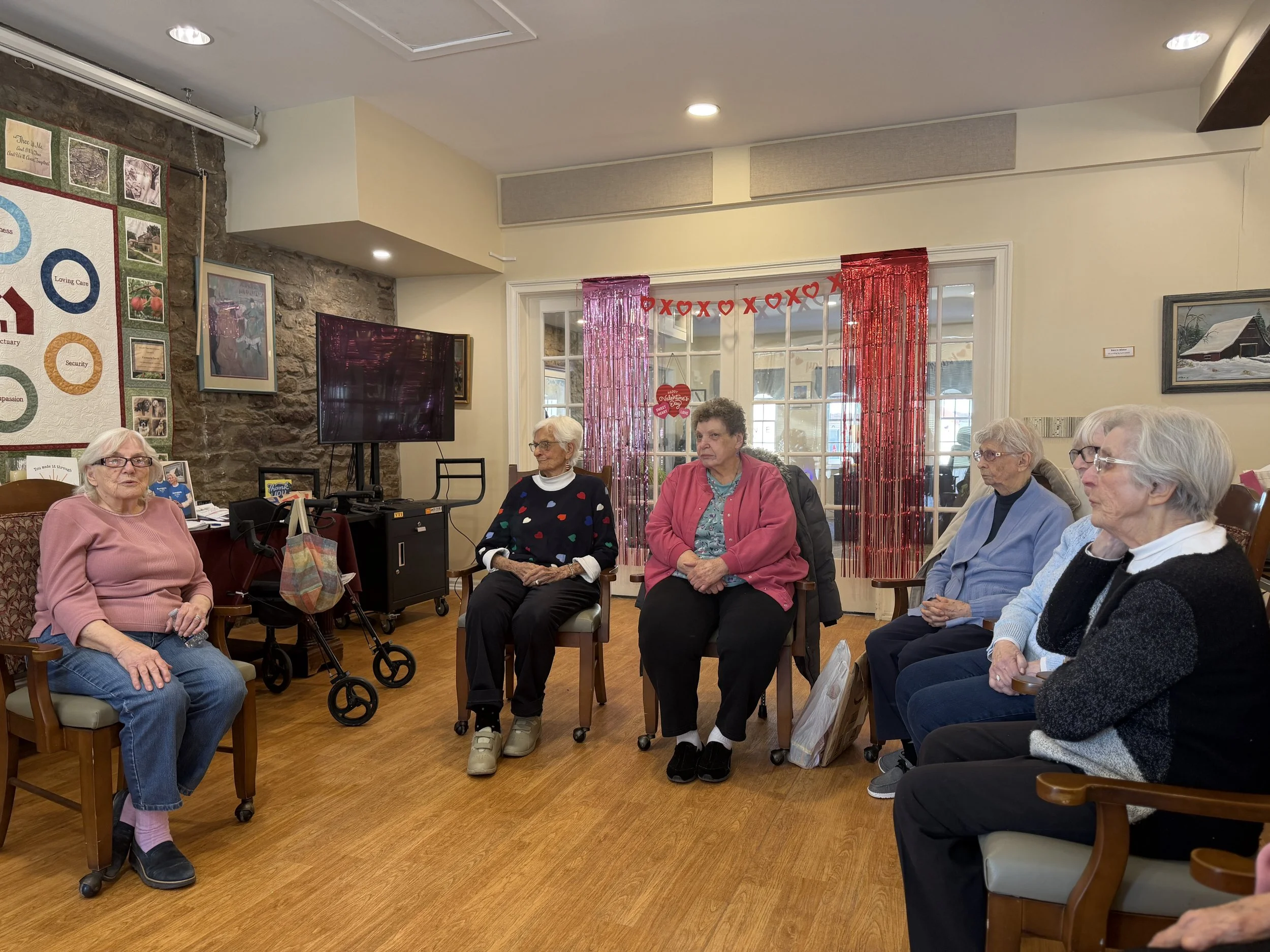
At Friends Village, many residents discover that community life naturally creates opportunities for friendships, shared experiences, and a sense of belonging that enriches everyday life.
Purposeful engagement isn’t just enjoyable—it is an important component of healthy aging.
Use Technology as a Safety Net
Technology can help support independence.
Helpful tools may include:
Medical alert systems
Medication reminders
Smart home devices
Video calling platforms
Shared digital calendars
While technology should never replace human connection, it can provide valuable support and peace of mind.
Don’t Avoid End-of-Life Planning
Perhaps the most overlooked aspect of solo aging is end-of-life planning.
Important considerations include:
Advance care preferences
Funeral or memorial wishes
Estate plans
Digital account access
Executor designation
Having these conversations and documents in place can ensure your wishes are honored and reduce stress for those helping manage your affairs.
Aging Solo Doesn’t Mean Aging Alone
The phrase “solo aging” can sound isolating, but it doesn’t have to be.
The most successful solo agers understand that independence and connection are not opposites. In fact, they often go hand in hand.
By building relationships, documenting your wishes, planning financially, and choosing supportive environments, you can create a future that reflects your values and priorities.
At Friends Village, we see every day how community can transform the aging experience. Whether you are planning for yourself, supporting a loved one, or simply beginning to think about the future, the best time to start planning is now.
Because growing older isn’t just about preparing for challenges.
It’s about creating a life filled with purpose, connection, dignity, and joy.
Sources
● National Institute on Aging
● National Academies of Sciences, Engineering, and Medicine
● AARP Research on Solo Aging
● U.S. Census Bureau
● Centers for Disease Control and Prevention (CDC)
● Harvard Health Publishing
● Aging Life Care Association
● Consumer Financial Protection Bureau
● National Academy of Elder Law Attorneys